Search
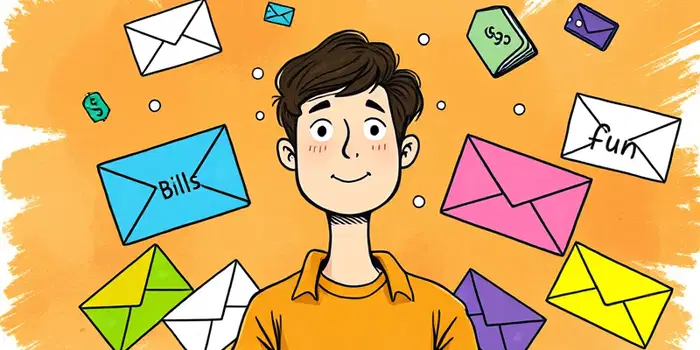
Spending is more than a calculation of income and price. Our purchases often emerge from deep emotional currents, unseen mental shortcuts, and the design of our digital environment.
By exploring how biases, mental accounting, and social influences shape our habits, you can take charge of your financial life and build a more secure future.
At first glance, spending appears to be a simple trade: money for goods or services. Yet research shows that we often pay with more than money. Our emotions drive impulsive purchases, cognitive biases skew our decisions, and the way options are presented can nudge us toward or away from spending.
Economic conditions like inflation and debt costs also influence our comfort with spending. Feeling uncertain about tomorrow can trigger a desire for immediate rewards, even when long-term stability suffers.
Richard Thaler’s concept of mental accounting explains how we mentally sort, track, and evaluate money by category. These categories can make budgeting easier by providing predefined rules for everyday decisions.
While helpful, mental accounting can lead to inconsistent choices. Someone might refuse to touch savings but freely run up credit-card debt. A $100 bonus may feel like free spending money, even when its value is identical to a paycheck deposit.
Studies across 21 countries confirm that people everywhere assign meaning to money based on its source and intended use. To gain control, review your mental budgets monthly, and be willing to reassign categories when necessary.
Two powerful biases push us toward immediate consumption. Present bias is our tendency to give disproportionate weight to immediate rewards at the expense of future benefits. Hyperbolic discounting describes how a reward today is valued far more than the same reward tomorrow, making long-term goals feel distant and abstract.
A 2025 study of bank transactions revealed spending surges right after payday, followed by tight budgets later in the month—an effect independent of actual cash constraints. Automatic savings plans and scheduled transfers can help counteract these impulses by making future goals feel more present.
Loss aversion makes losses feel more painful than gains feel pleasurable. Sales tactics exploit this by framing deals as last chance to save or emphasizing scarcity. Anchoring tricks our minds by presenting an initial reference price that makes subsequent options seem better. The sunk-cost effect tempts us to keep investing in what we’ve already paid for, from unused gym memberships to underperforming subscriptions.
When faced with a renewal prompt or sale deadline, ask: “If I hadn’t already spent this money, would I still spend it now?” This simple question creates a break in the chain, allowing you to choose based on current priorities rather than past commitments.
When stress, boredom, or loneliness arise, shopping can feel like a quick fix. Emotional spending often follows a predictable chain:
Trigger: feeling overwhelmed or anxious.
Thought: “I deserve a treat.”
Action: impulsive browsing or purchase.
Immediate result: pleasure or relief.
Delayed result: regret, debt, or worry.
Renewed stress triggers the cycle again.
Understanding this cycle empowers you to insert a pause between impulse and purchase, turning a moment of impulse into thoughtful reflection. Simple techniques like unplugging from shopping apps when emotions spike can reduce unplanned spending.
Social media, peer groups, and influencers shape what we consider desirable. The pressure to conform can lead to overspending on experiences or goods to project status. Meanwhile, payment technology—one-click checkout, mobile wallets, subscription services—reduces friction and often downplays the real-time “pain of paying.”
A 2024 FINRA study found that 53% of adults use mobile wallets for in-person purchases, highlighting how often consumers spend without touching cash. Recognizing when you’re buying to impress others or because it’s too easy can help you pause and reconsider.
Changing your environment often works better than relying solely on willpower. Choice architecture and friction can either promote or deter spending. One-click checkout, stored payment details, and buy-now-pay-later services remove barriers to impulse buys, while automatic savings transfers and spending alerts create built-in resistance.
Adopting small changes—like removing saved payment details from shopping apps—can create the brief pause needed to reconsider an impulse purchase.
Replacing reactive spending patterns with proactive strategies takes practice but yields lasting results. Start by reviewing your mental budgets regularly and adjusting categories based on real behavior. Use simple heuristics to guide decisions and build accountability into your environment.
When resources feel tight, set small interim goals—such as saving $50 a week—to maintain motivation. Celebrate progress to reinforce positive behavior rather than waiting for distant milestones.
Our money habits emerge from a blend of emotions, biases, social cues, and technology. By recognizing these forces and designing your environment accordingly, you can transform your spending from a source of stress into a tool for personal growth and security.
Embrace strategies that align your daily actions with long-term goals, and remember that every small change adds up. The journey to mindful spending is ongoing, but with each deliberate choice, you reclaim control over your financial life.
References