Search
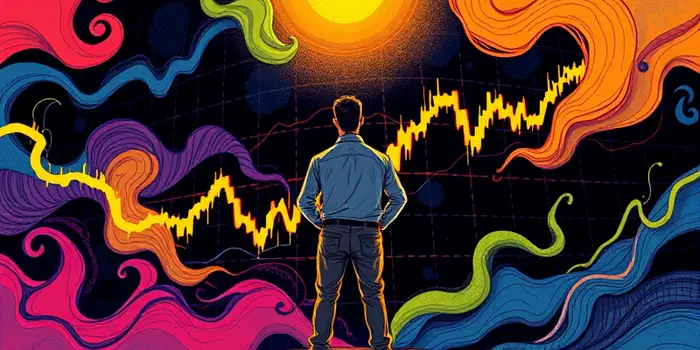
In today’s fast-paced markets, traders often focus on technical indicators and economic data, convinced that analysis alone will determine their fate. Yet countless studies reveal a different story: recognition, regulation, and structured decision-making are just as vital to consistent profits. Emotions like fear, greed, confidence, and regret can derail even the most sophisticated strategy. This article explores how successful traders do not eliminate emotions but harness them with rules and rituals, transforming uncertainty into disciplined action to build resilience and achieve lasting success.
Trading psychology encompasses the interplay of emotional and cognitive forces that shape every decision, from entry and exit timing to position sizing and stop-loss placement. When sentiments run high, even a robust trading plan can collapse. Emotions influence how we interpret new information, how aggressively we manage risk, and how we respond to wins and losses. By acknowledging these undercurrents, a trader gains insight into personal biases and reactions, paving the way for cultivating emotional awareness and control.
Markets present a perfect storm of uncertainty, rapid feedback, and financial stakes. Brain research shows humans evaluate outcomes relative to reference points rather than final wealth, and the pain of a loss twice as intense as the pleasure of a gain. This explains why we hold losing positions hoping to break even or sell winners too quickly to lock in gains. Understanding this tendency gives traders the power to design strategies that counteract innate biases rather than fall prey to them.
Emotions appear at every stage of the trade lifecycle. Recognizing their influence is the first step toward mastery. Below are the most impactful feelings and their common effects:
Alongside emotions, cognitive biases silently steer us toward suboptimal choices. Among the most dangerous are loss aversion, confirmation bias, anchoring, and recency bias. For instance, anchoring to a purchase price can make a trader believe an asset “must” return to that level, and confirmation bias leads us to ignore contradicting data. Awareness of these pitfalls is empowering: it allows the trader to embed checks and balances that force objective analysis.
Mastery over emotions does not mean suppressing them. Instead, it requires deliberate techniques that channel feelings into structured behavior. The following list outlines practical steps to integrate into your routine:
Discipline is often mistaken for a fixed character trait, but it is better viewed as a skill that strengthens with practice. Each trade offers feedback, whether good or bad. By treating every outcome as data, you shift focus from personal success or failure to continuous improvement. This mindset shift reduces emotional attachment, enabling you to act on strategy rather than impulse, and fosters unwavering adherence to your plan even under stress.
No trader escapes losses entirely. The difference lies in how one responds. A drawdown can trigger fear and impatience, tempting a return to risky behavior in an attempt to recoup quickly. Instead, view drawdowns as part of the business cycle, like any other cost of doing business. Schedule a cooldown period, revisit your trading journal, and reaffirm your rules. Approaching recovery with calm reflection instead of anxiety guards against revenge trading and preserves capital.
Combining emotion management with robust risk controls leads to sustainable performance. Start by identifying personal emotional triggers—maybe you tighten stops after a loss, or overtrade after wins. Next, assign numeric rules: maximum daily loss, position-size limits, and required risk-reward ratios. Then, introduce accountability: share your plan with a mentor or peer group. Regular check-ins ensure you maintain emotional awareness and honest evaluation and prevent biases from creeping back in.
Trading success hinges not only on market knowledge, but on mastering the inner game of emotion and bias. By embracing emotional awareness, designing structured rules, and fostering a mindset of continuous learning, traders can transform erratic reactions into disciplined action. Remember, it is not the absence of emotion that defines a champion trader, but the skillful navigation of feelings to uphold strategy and long-term goals. Cultivate your emotional toolkit, and profits will follow as a natural byproduct of your process.
References