Search
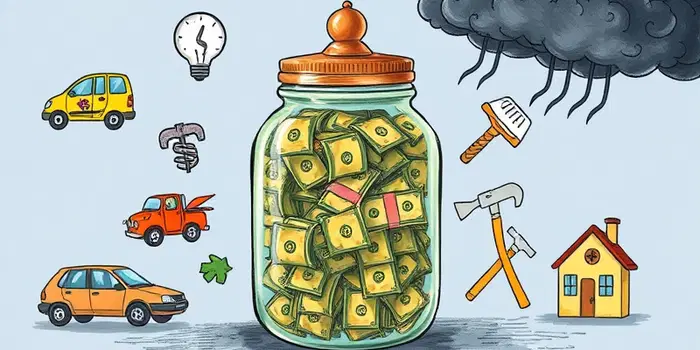
Life can change in an instant. A single unexpected expense or sudden job loss can send finances spiraling. By building a strategic safety net, you ensure that one setback won’t become a long-term crisis. This guide will walk you through everything you need to know to create, maintain, and optimize your emergency fund.
Think of an emergency fund as reliable and accessible cash reserves set aside for true financial shocks, not as a general savings or investment vehicle.
An emergency fund is a dedicated cash reserve designed to absorb sudden financial shocks. It is not intended for annual bills or discretionary spending but reserved strictly for pressing, unplanned needs.
Distinguish between a spending shock versus an income shock: spending shocks cover one-time urgent bills, while income shocks replace lost earnings. Vanguard recommends starting with half a month of expenses for spending shocks, then building to three to six months for income interruptions.
Without cash reserves, families may turn to high-interest credit cards or loans that can create long-term debt burdens. An emergency fund delivers:
The first priority is safe and available when needed, not maximizing returns. A lower, stable yield is a small price for immediate access when emergencies strike.
Despite frequent warnings about financial fragility, many Americans remain underprepared. According to the Federal Reserve, in 2025:
• 55% of adults had at least three months of living expenses saved—unchanged from 2024 but below the 2021 peak of 59%.
• Immediate resilience is even lower: a January 2025 Bankrate survey found 41% could cover a $1,000 emergency from savings, while 59% could not.
These numbers show progress from 47% in 2015 to 55% in 2025 reporting a three-month buffer, yet a significant minority still lack adequate reserves. Note that inability to cover a $1,000 expense does not necessarily mean less than $1,000 saved; people may choose credit, borrowing, or reducing other spending.
The ideal emergency-fund size varies based on individual circumstances such as income stability, household structure, and existing debt. Use essential expenses as the foundation:
Fidelity suggests beginning with $1,000 then working toward three to six months of essential costs. Adjust these guidelines based on personal factors rather than following rigid rules.
Calculate your emergency-fund target using only unavoidable monthly costs, not every discretionary purchase. Typical essentials include:
During a true emergency, discretionary expenses—such as restaurant meals, entertainment, vacations, subscriptions, and luxury purchases—can be reduced or eliminated.
A simple formula: Essential monthly expenses × Desired number of months = Emergency-fund target. For example, $2,000 × 3 months = $6,000.
No two situations are identical. Consider:
• Income Stability: Steady salaries require less buffer than freelance or commission work.
• Number of Earners: Dual-income households may need more coverage for higher costs but gain resilience.
• Dependents: Children, elderly relatives, or disabled family members increase financial stakes.
• Fixed Obligations: Mortgages, car loans, tuition, and insurance premiums raise required reserves.
• Insurance Coverage: Deductibles and exclusions can still create gaps.
• Employment Prospects: Fields with rapid rehiring need smaller buffers than declining industries.
• Location Risks: Areas prone to extreme weather or disaster require larger emergency stocks.
• Debt and Credit Access: Borrowing remains secondary to cash savings due to interest and fees.
Your emergency fund should be:
• Safe and federally insured
• Liquid with easy access
• Separate from daily spending accounts
• Low-cost and fee-free when possible
• Insulated from market volatility
Common options include high-yield savings accounts—offering better rates than traditional banks—and money market deposit accounts at insured institutions. Traditional savings accounts also work but may pay lower interest. Avoid tying funds to long-term investments or accounts with withdrawal penalties.
Regularly review your fund’s balance, adjust your savings plan as life changes, and resist dipping into this reserve for non-emergencies. By prioritizing accessible without waiting for sale cash reserves, you protect your financial well-being and gain peace of mind.
Building an emergency fund may feel challenging when budgets are tight, but even small, consistent contributions accumulate over time. Start today, stay disciplined, and remember that this safety net is time to search for new work or weather unexpected storms without derailing long-term goals.
With a thoughtful approach and personalized targets, your emergency fund becomes the financial lifeline that safeguards your future. Embrace the security it brings, and let this guide empower you to build resilience against whatever lies ahead.
References